Business waste removal in Fitzrovia
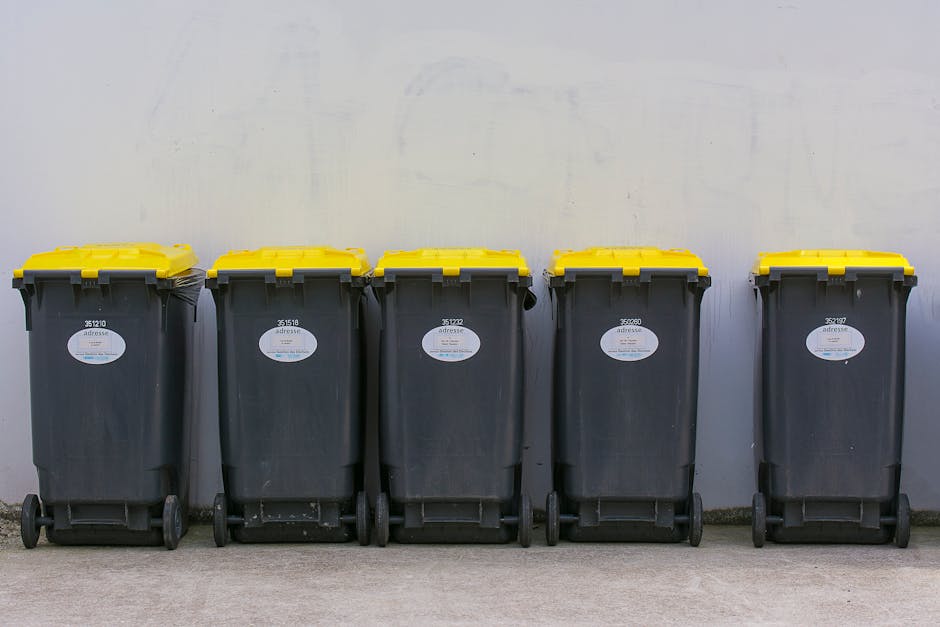
Business waste removal in Fitzrovia means handling day-to-day commercial rubbish in a way that is orderly, discreet and suited to mixed-use streets, offices and shared premises. Our service covers the collection and removal of typical business waste streams, with a focus on keeping workplaces clear of unwanted items so normal trading can continue with less disruption. From packaging and broken fixtures to office contents and general commercial rubbish, the aim is to deal with material efficiently and leave the next stage straightforward.
We work with a practical range of business waste needs, including office clearance, furniture removal, confidential shredding and specialist disposal where different materials need separate handling. Some jobs are best approached as a single collection, while others call for a more structured plan because access, sorting or mixed waste types need attention. If you are comparing options for a shop, studio, workspace or managed property, it helps to begin with a clear description of what needs removing and where it is located. Start here, then request a quotation when you are ready.
Because commercial waste can vary from one premises to another, we keep the process focused on the item type, the quantity and the access conditions rather than on unnecessary complexity. That approach helps customers decide whether they need a straightforward collection, a partial clearance or support with separate categories such as appliances, office furniture or secure paper waste. If you need a tidy, practical route to disposal in Fitzrovia, our service is set up to make that easier to arrange.
Office clearance and workplace waste

Office clearance is often about more than simply taking away old desks. In active business premises, the work can involve redundant chairs, filing cabinets, shelving, monitors, small electrical items and general clutter that has built up over time. A sensible clearance plan keeps reusable items separate from mixed waste where possible and avoids turning a workspace into a staging area for longer than necessary. The result is usually a cleaner handover for a move, refit or downsizing decision.
We also handle wider business waste removal where offices need help with regular clear-outs rather than one-off changes. That can include back-room storage, archive overspill, reception furniture or items left behind after a change of layout. For premises with time-sensitive access, it is helpful to identify the items that must go first and the ones that can remain in place until later. If you are preparing a commercial clear-out, clear labelling and simple access routes can make the collection more orderly.
Furniture, fixtures and appliance disposal
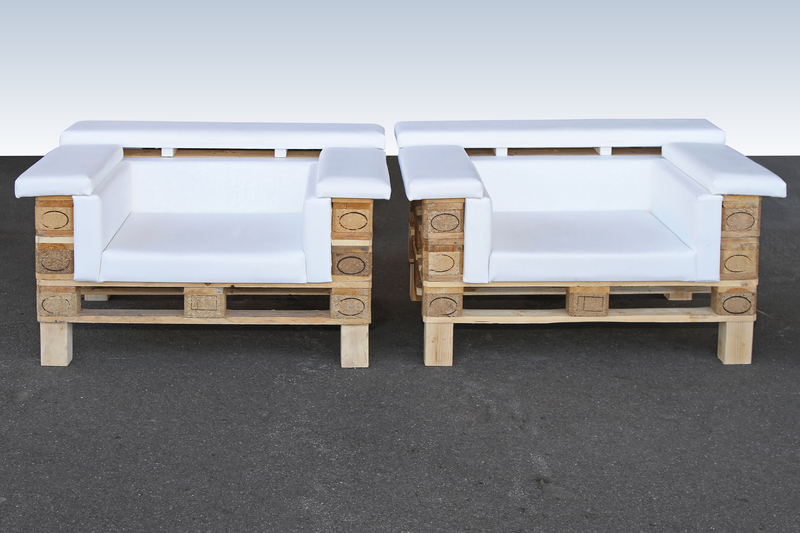
Business premises often need help removing bulky items that cannot be placed out as ordinary waste. Desks, workstations, reception seating, storage units and display furniture may all need to be dismantled or carried in sections before removal. In the right setting, furniture disposal can be used to deal with items that are too large, awkward or worn out for simple relocation. A useful first step is to separate items that are clearly reusable from those that are ready for disposal.
Where businesses have kitchen points, break areas or utility space, appliance removal may also form part of the job. That can include fridges, freezers and other items that require careful handling because of their weight or internal components. We also cover fridge and appliance removal when those items need to be taken away with the rest of the clearance. Keeping appliance waste distinct from furniture and mixed rubbish helps the process stay controlled and avoids confusion on the day.
Secure disposal and sensitive materials
Some business waste needs more careful handling than ordinary office rubbish. Documents, records and other sensitive items may need to be removed in a way that supports confidentiality, particularly when a business is clearing old files, storage cupboards or archived material. For those cases, confidential shredding offers a more suitable route than leaving documents in general waste. It is a practical option when paper must be destroyed rather than simply collected.
Not every commercial job is suitable for standard waste removal. Hazardous or unusual materials should be separated and identified before any collection is arranged, because these items may need a different disposal route altogether. If you are unsure whether something is appropriate for routine collection, it is better to list it clearly at the quotation stage than to bundle it in with normal office contents. That way, the job can be assessed on the actual waste types involved, not on assumptions.
For mixed business clearances, a short itemised note is usually the most useful starting point. Tell us what is present, whether the materials are loose or fixed in place, and whether any objects need dismantling before removal. Photographs can also help where access is narrow or where a site contains several different waste types. Good information at the start makes the quotation more accurate and reduces unnecessary delays later on.
Booking, access and quotation details
When a business is organising waste removal, the main practical questions are usually what needs to go, how much space it occupies and what access is available. These points matter because they affect the time required, the lifting involved and whether items are straightforward to carry or need extra preparation. A quotation is easier to prepare when the job is described in plain language rather than broad terms such as “general clearanceâ€. If there are stairs, shared entrances or loading restrictions, include them early.
Our pricing and quotes page is useful if you want to understand how commercial collections are assessed before you make contact. It is also worth considering whether the work is best split into sections, especially if one part involves office furniture and another involves stored waste or discarded equipment. If you are comparing the timing of several clearances, begin with the items that are taking up the most usable space, then decide whether the remaining material can be dealt with later.
Business waste streams we can help with
Commercial waste does not always look the same from one premises to the next, so it helps to match the removal method to the material involved. Some items are light but bulky, some are heavy but compact, and others need attention because they are sensitive, reusable or difficult to move through narrow access. A sensible plan keeps the job practical. If furniture is mixed with office rubbish, for example, it may be simpler to separate the categories before the collection is arranged.
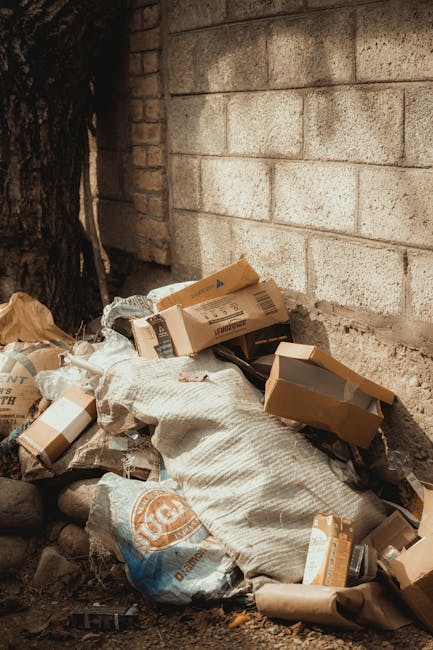
Typical business waste may include packaging, cardboard, obsolete stock, shelving, reception furniture, desks, chairs, files, small appliances and mixed general rubbish from workspace changes. Where suitable, those items can be grouped into a single collection; where necessary, they can be handled as separate parts of the same clearance. For larger or more complex jobs, a clear list of items and locations within the premises often helps more than broad descriptions. That makes it easier to decide whether a full clearance or a targeted removal is the better fit.
Recycling, sorting and responsible disposal
Business waste removal is not only about taking things away; it is also about making sensible decisions on what can be separated, what must be disposed of carefully and what should not be mixed together. A planned clearance can include sorting out items that belong in different waste streams before the collection begins. That is especially useful where a workspace contains both recyclable materials and heavier mixed rubbish, because it reduces confusion and keeps the job more orderly.
Where businesses want to think ahead about disposal choices, it can be helpful to review our recycling and sustainability information alongside the job itself. That page gives a broader view of how different materials are approached, while the actual collection remains focused on removing the waste in a way that suits the premises. If you have items that may need a special route, it is best to identify them clearly rather than leaving them among general contents.
We can also help with larger clearances that include office furniture and general contents together, so long as the items are described accurately at the outset. For many businesses, the main decision is whether the job should be treated as one combined removal or as several smaller parts. If you are ready to compare the options, send through the details and ask for a quotation.
About Fitzrovia
Fitzrovia is a central London district in the West End, lying broadly between Oxford Street, Euston Road and Tottenham Court Road. Its name became established in the twentieth century, although the area’s streets and terraces are older, shaped by Georgian and later Victorian development. The district is known for a varied streetscape of former townhouses, mansion blocks, converted offices and mixed commercial premises, which gives it a distinctive character compared with nearby shopping streets and denser office quarters. Charlotte Street, Goodge Street and Mortimer Street are among the best-known thoroughfares, while the surrounding lanes contain a mix of restaurants, small businesses and residential buildings.
The area has long been associated with writers, artists and creative circles, and that reputation still colours its identity today. A number of historic pubs, studios and former meeting places are linked to its cultural past, while present-day Fitzrovia also contains institutions, design firms and media-related workplaces. The district sits close to major transport routes and Underground stations, making it part of a busy inner-London pattern of movement rather than an isolated neighbourhood. Regent’s Park lies to the north-east, offering a large open green space within easy reach, while smaller squares and side streets soften the urban grain. Fitzroy Square is one of the area’s most recognisable Georgian spaces, and the broader district includes buildings from several periods, which gives the locality a layered architectural character.
Office moves, clear-outs and phased collections
Some business waste removal jobs are best handled in stages rather than as a single visit. That is especially true where offices are being reconfigured, storage is being reduced or a building is being handed back in parts. A phased approach can help keep the remaining workspace usable while the unwanted material is removed gradually. It can also suit premises with shared occupancy, where one tenant’s items must be taken without affecting the rest of the building.
If you are planning a move or a partial clearance, it is useful to identify the objects that are staying, the items that need dismantling and anything that may need to be separated for recycling or secure destruction. These details make it easier to prepare the right method of removal and reduce the risk of confusion on site. For combined jobs, we can deal with office contents, furniture and mixed waste together, provided the scope is set out clearly from the start.
For a business customer, the most efficient next step is usually simple: list the main items, note any access issues and then request a quotation when you are ready. If the waste includes specialist materials, mention them separately so the collection can be assessed properly.
Choosing the right collection for your premises
Commercial customers often need to decide whether they want a full clearance, a targeted collection or a removal that sits somewhere in between. The best option depends on the type of waste, the amount of space involved and how quickly the premises need to be made clear. A small office may only need a few bulky items taken away, while a larger workspace may need a more detailed sort-out of furniture, files and mixed rubbish. Choosing the right approach starts with an accurate description of the site.
We can help with business waste removal where the material is spread across several rooms, stored in cupboards or left in shared areas that need to be cleared carefully. The more specific the information, the easier it is to plan a sensible route through the job. If you are unsure what should be included, describe the contents room by room and note anything that cannot be moved easily. That simple step can make a big difference to how smoothly the collection is arranged.
When you are ready, ask for a quotation and include the key waste types, the quantity involved and the access conditions. A brief, clear message is usually enough to begin.
What a practical quotation should cover
A quotation for business waste removal should reflect the real shape of the job, not just the headline description. That means accounting for the kind of material, whether it needs dismantling, how much there is and how easy it is to move from the premises. If the waste includes furniture, appliances or confidential items, those details should be made clear because they may change the handling required. Good quotations are built on actual scope, not on assumptions.
It is also sensible to note any preparation that has already been done. For example, if items are already grouped together or access routes are clear, that can help the collection run more smoothly. If the waste is spread across several rooms or mixed with items that are staying, mention that too. The aim is not to overcomplicate the process but to describe it honestly enough for a useful response. That keeps the arrangement practical for both sides.
If you would like to go ahead, keep your note short and specific, then send the details for pricing. A clear quotation request is the simplest route to arranging the work.